By 2026, artificial intelligence is on track to automate up to about 70% of everyday work tasks, reshaping how we build software, manage workflows, and even how we interact with machines. Below is a polished, article‑style version of your 9‑trend countdown, ready to upload to your website.
1. The Rise of Brain–Computer Interfaces (BCIs)
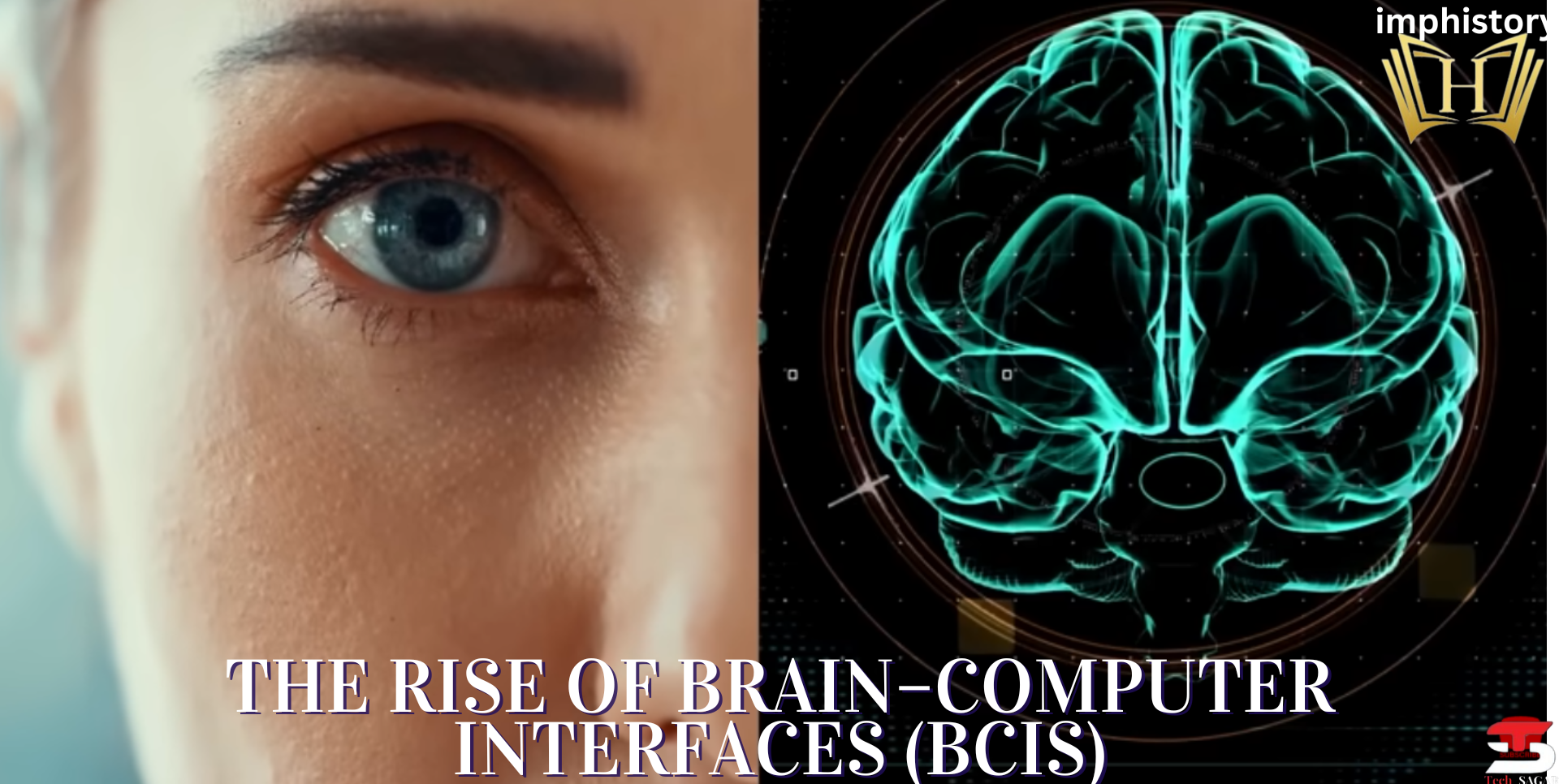
At the top of the list is one of the most radical shifts: brain–computer interfaces (BCIs). In early 2024, Neuralink confirmed its first human implant, allowing a person to control a computer cursor just by thinking.
Companies like Synchron and Precision Neuroscience are developing less invasive devices that can restore mobility or communication for people with paralysis. In clinical trials, stroke patients have used BCIs to regain control over limbs or send messages through thought alone. Though still in early stages, BCIs are moving from lab experiments to real‑world medical and consumer applications.
2. Generative AI Becomes Default
Generative AI is shifting from “cool experiment” to standard infrastructure. In 2026, much of what you read, watch, or hear will have been shaped—or entirely created—by AI.


Large multimodal models like GPT‑5‑class systems and Google’s Gemini Ultra can handle text, images, video, and audio in a single conversation. Adobe’s Firefly and Runway ML power professional‑grade video editing, while services like ElevenLabs let users clone voices and generate speech in seconds. This isn’t just a trend; it’s a new production pipeline for content.
3. AI Agents That Work for You
AI agents are moving beyond chat into full‑task automation. Tools like Devon (an AI “software engineer” from Cognition Labs) can build websites, debug code, and deploy them live—all autonomously.
Auto‑GPT‑style agents can plan trips, book reservations, and compile summaries without constant human input. Inside companies, AI agents are being trained to onboard employees, manage internal data, and even respond to client queries. Instead of just chatting with AI, users are starting to delegate entire workflows to it.

4. Humanoid Robots Go Commercial
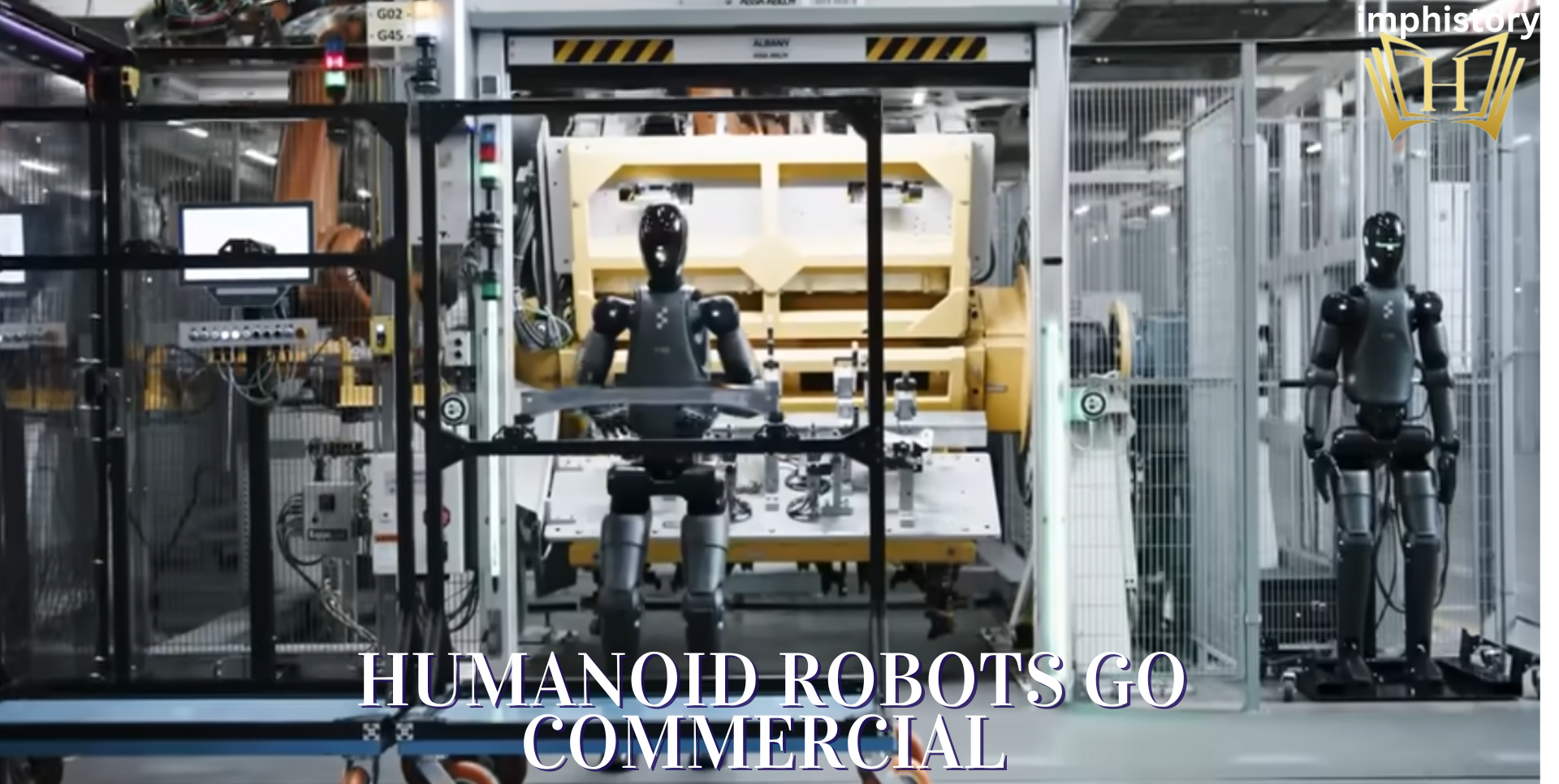
Humanoid robots are no longer just walking—they’re working. In 2024, Figure AI signed a partnership with BMW to bring its bipedal robot, Figure 01, into automotive manufacturing.
Agility Robotics is deploying its Digit robot in logistics, while Tesla’s Optimus is already folding laundry and sorting parts in factory settings. What’s changed is that these robots now have enough dexterity, stability, and cost‑efficiency to scale. Some models are projected to cost less than a small car by 2026, paving the way for broader commercial deployment.
5. AI‑Powered Home Assistants
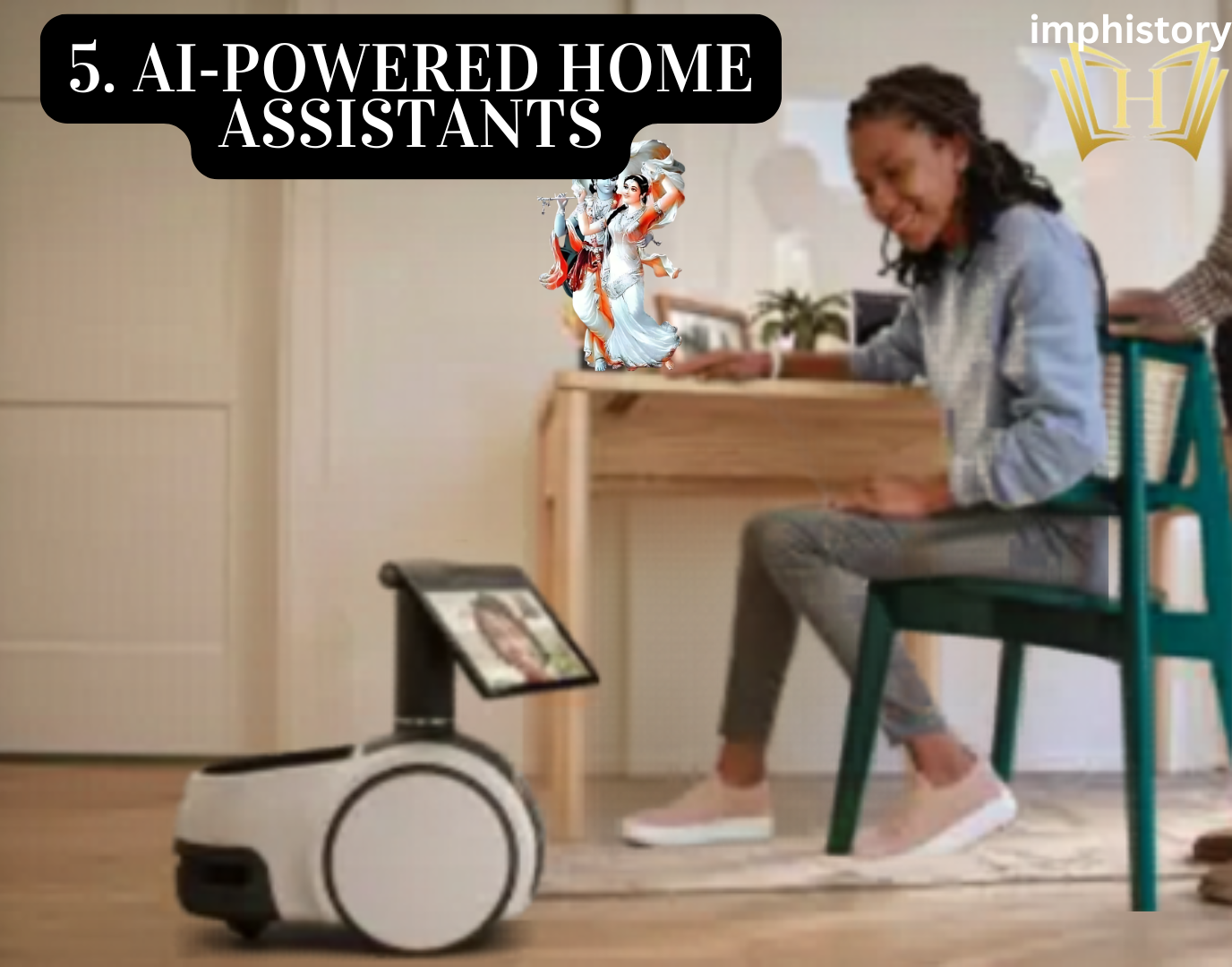
Smart speakers are getting mobility and personality. Amazon’s Astro robot, first introduced in 2021, is evolving into a mobile home assistant that can patrol homes, support elder care, and deliver voice‑controlled messages inside houses and offices.
Apple is rumored to be developing a tabletop robot internally called “J595” that can swivel and track users during FaceTime calls. In China and other markets, humanoid showroom assistants are already greeting customers and handing out brochures, blending screens, wheels, and in some cases, expressive faces.
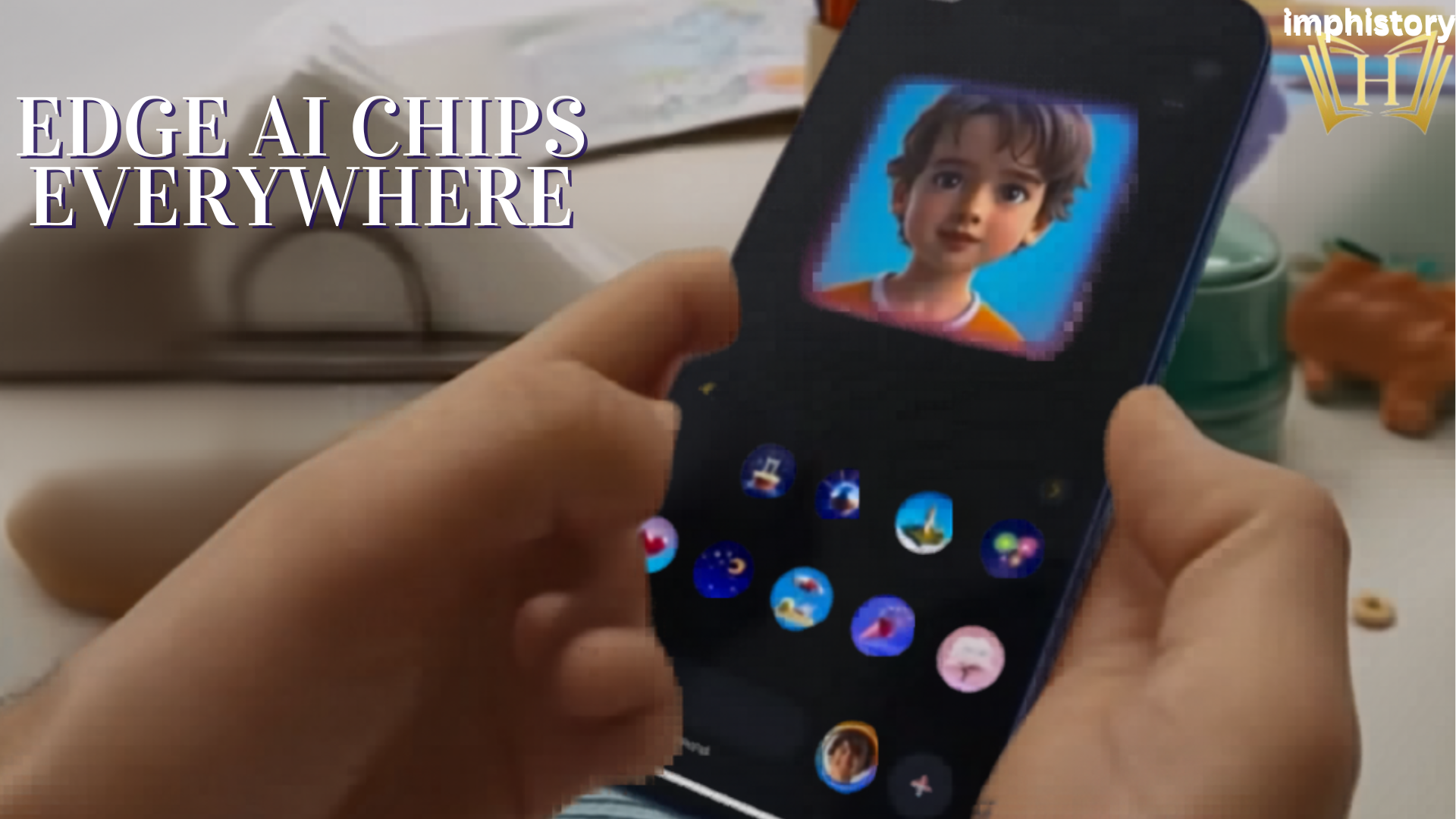
6. Edge AI Chips Everywhere
Edge AI—running models directly on your device instead of in the cloud—is becoming standard. In 2026, most new phones and laptops will come with dedicated AI chips.
Apple’s A17 Pro and M4 chips, Qualcomm’s Snapdragon X Elite, and Intel’s Meteor Lake all include AI‑accelerators that enable instant language translation, on‑device image editing, and snappy voice‑recognition features. These chips also optimize power usage, turning every gadget into its own compact “AI brain.”

7. AI in Healthcare Gets Personal
In 2024, Google DeepMind showed an AI model that could detect around 21 diseases from retinal scans, sometimes earlier than human experts. Hospitals in the U.S. are now using AI to analyze patient data and flag early warning signs of conditions like sepsis or cardiac risk hours before symptoms appear.
AI is also being used in cancer treatment planning, tailoring chemotherapy regimens based on a patient’s genetic profile. The result is more personalized, proactive care that can catch issues while they’re still manageable.

8. AR Glasses Replace Screens
After years of hype, AR glasses are finally closing in on everyday usefulness. Apple’s Vision Pro helped kickstart a new wave, and companies like Meta, Xreal, and Samsung are now developing lightweight glasses with real‑time overlays.
By 2026, you might see live captions, navigation arrows, and translated subtitles floating in front of you. With AI handling context, these glasses could anticipate what information you need—whether it’s a reply suggestion, a directions overlay, or a heads‑up about an upcoming meeting—without you ever pulling out your phone.
9. Quantum Computing Nears Utility
Quantum computing has long felt like distant science fiction, but 2026 could be the year it starts showing up in real workflows. IBM hit 1,000 qubits in 2023 and plans to launch a 1,386‑qubit chip, with more robust error‑correction systems.

Companies like Google, IonQ, and Rigetti are racing to build practical systems that can simulate complex molecules for new drugs or optimize massive supply‑chain networks faster than any classical computer. The tech is still early, but the pace of demos and experiments is accelerating quickly.